

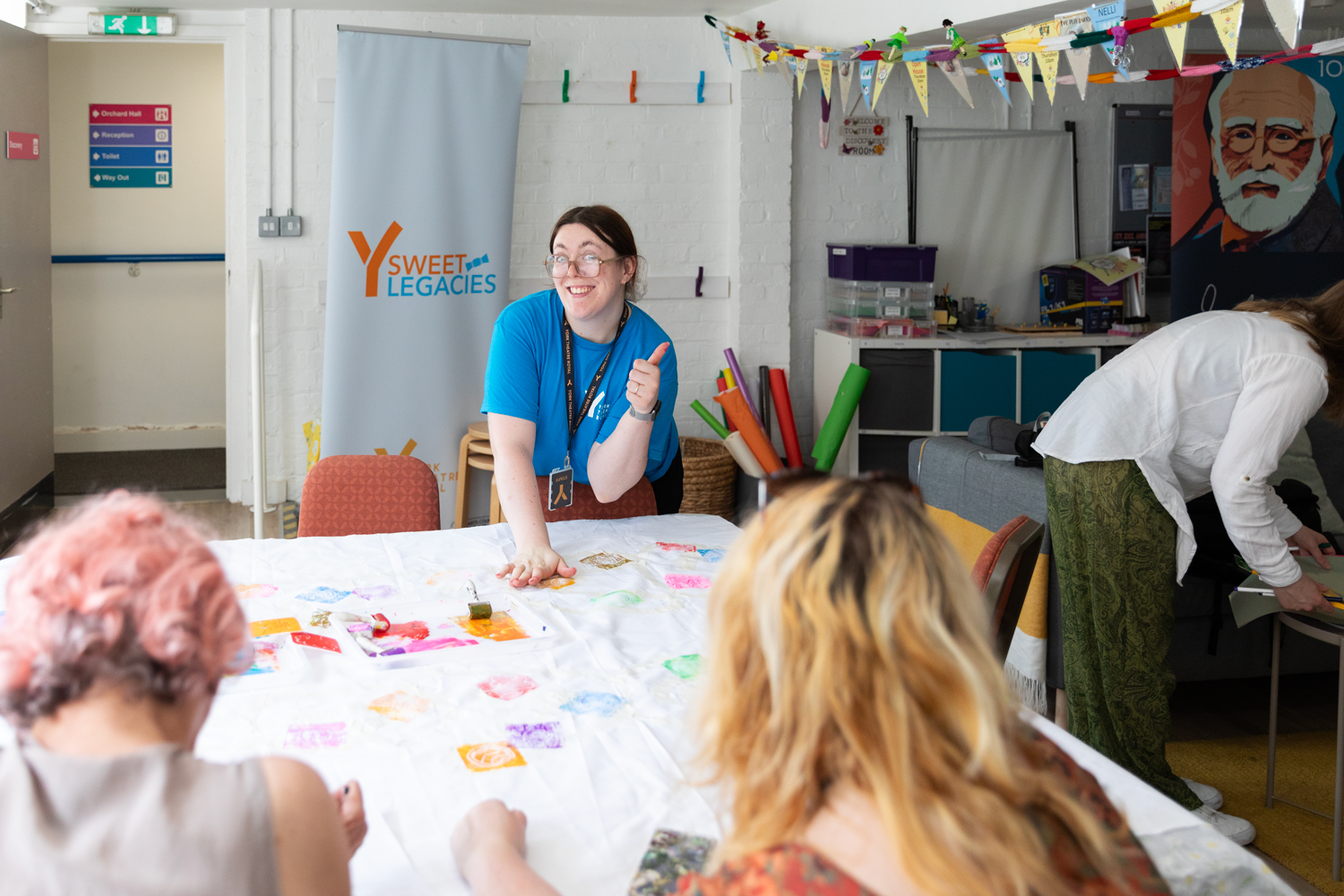
Open House is held every Thursday from 10am to 12 noon in the beautifully refurbished Discovery Room at the Folk Hall. It’s a place to connect with the community over free drinks, breakfast, and great conversation.
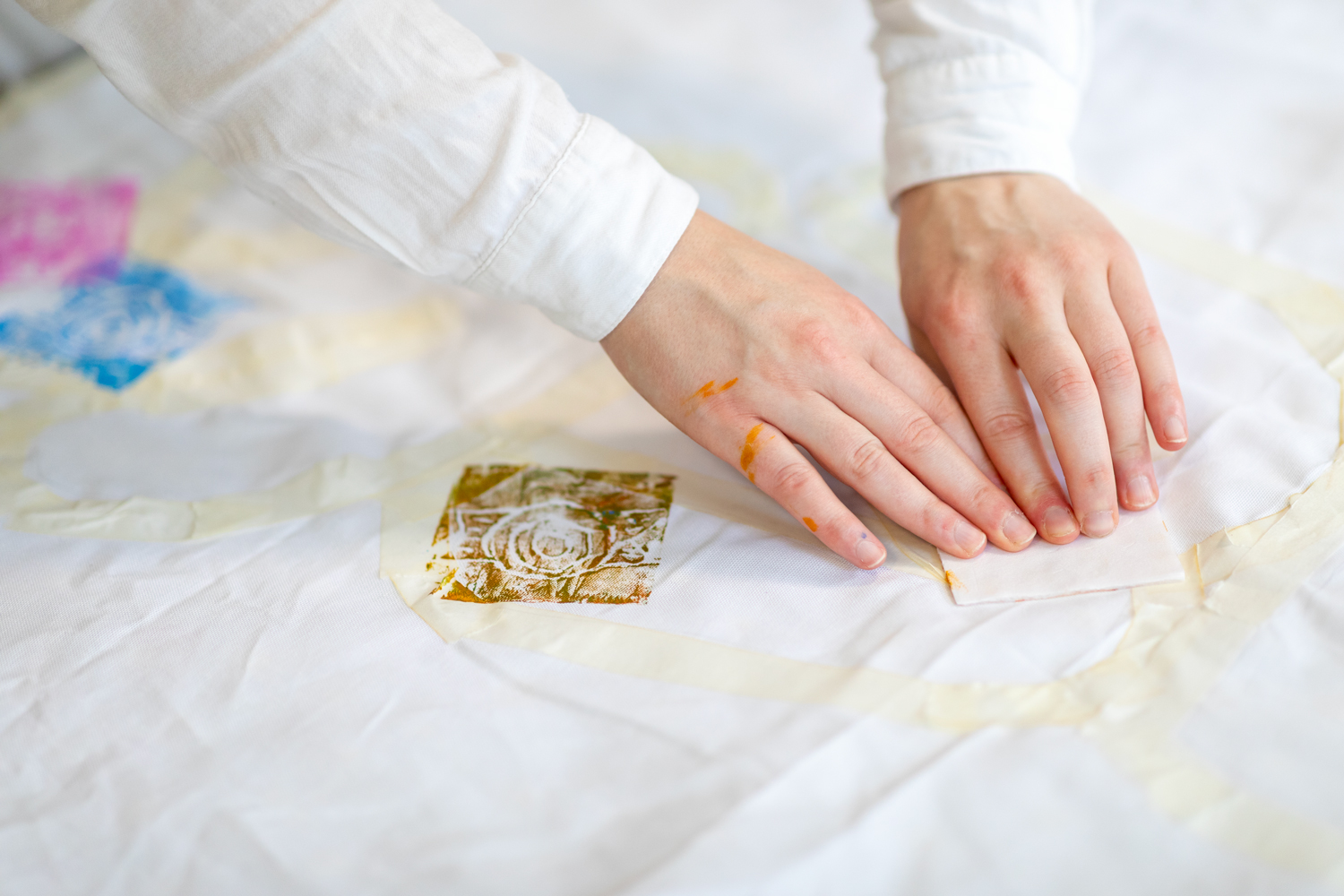
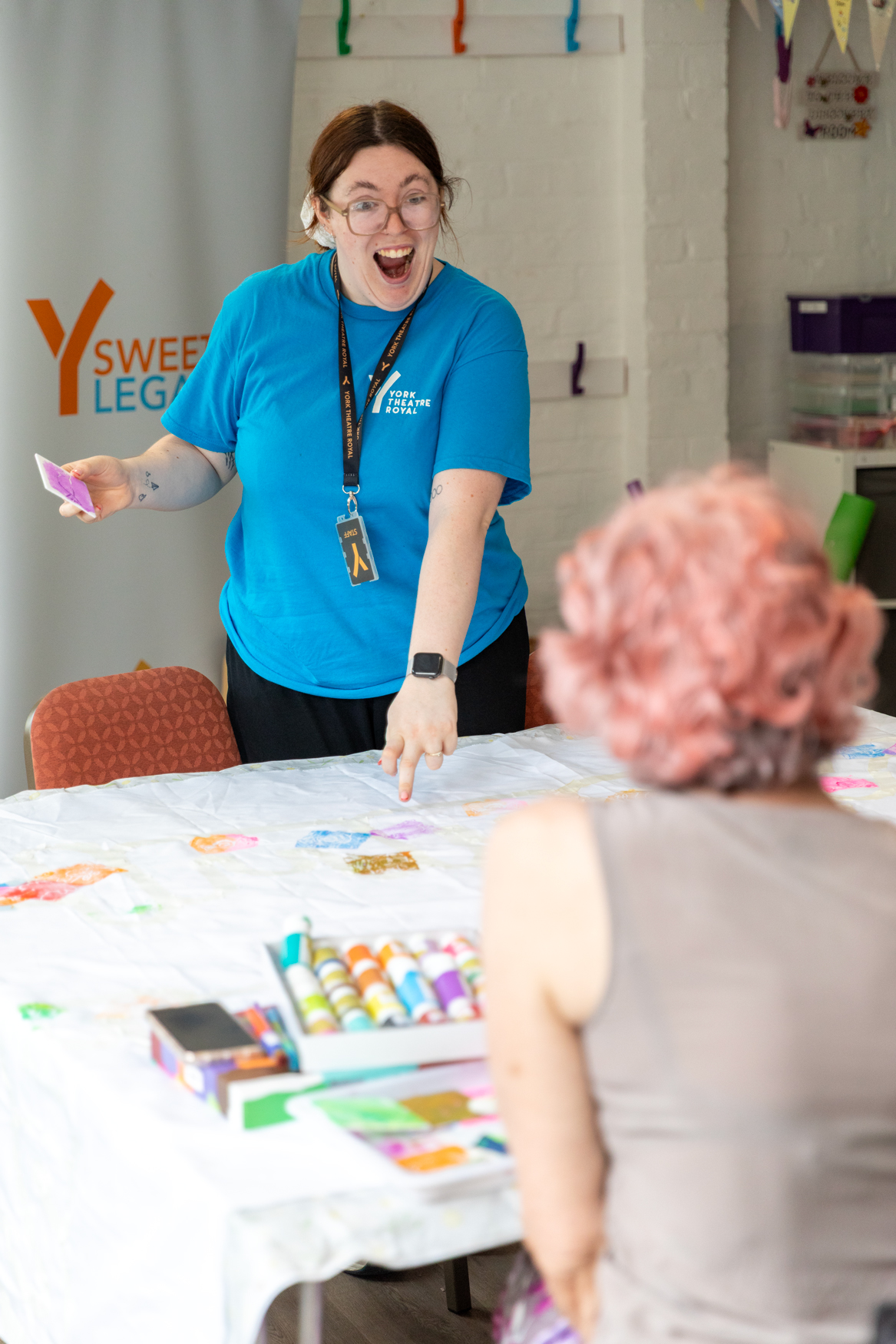
Together with attendees, Sweet Legacies created a vibrant banner that captures the spirit of Open House a celebration of stories, memories, and togetherness.
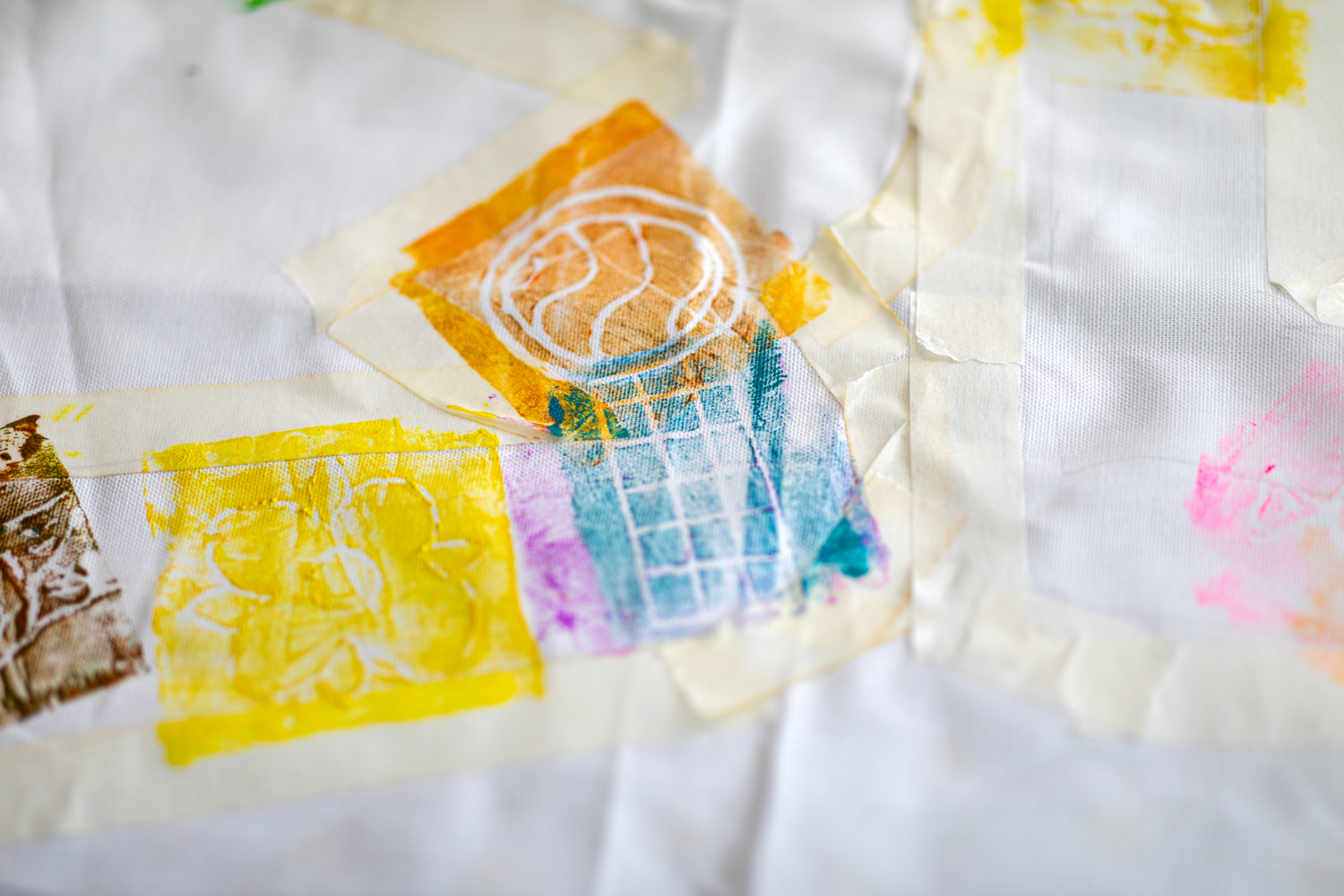

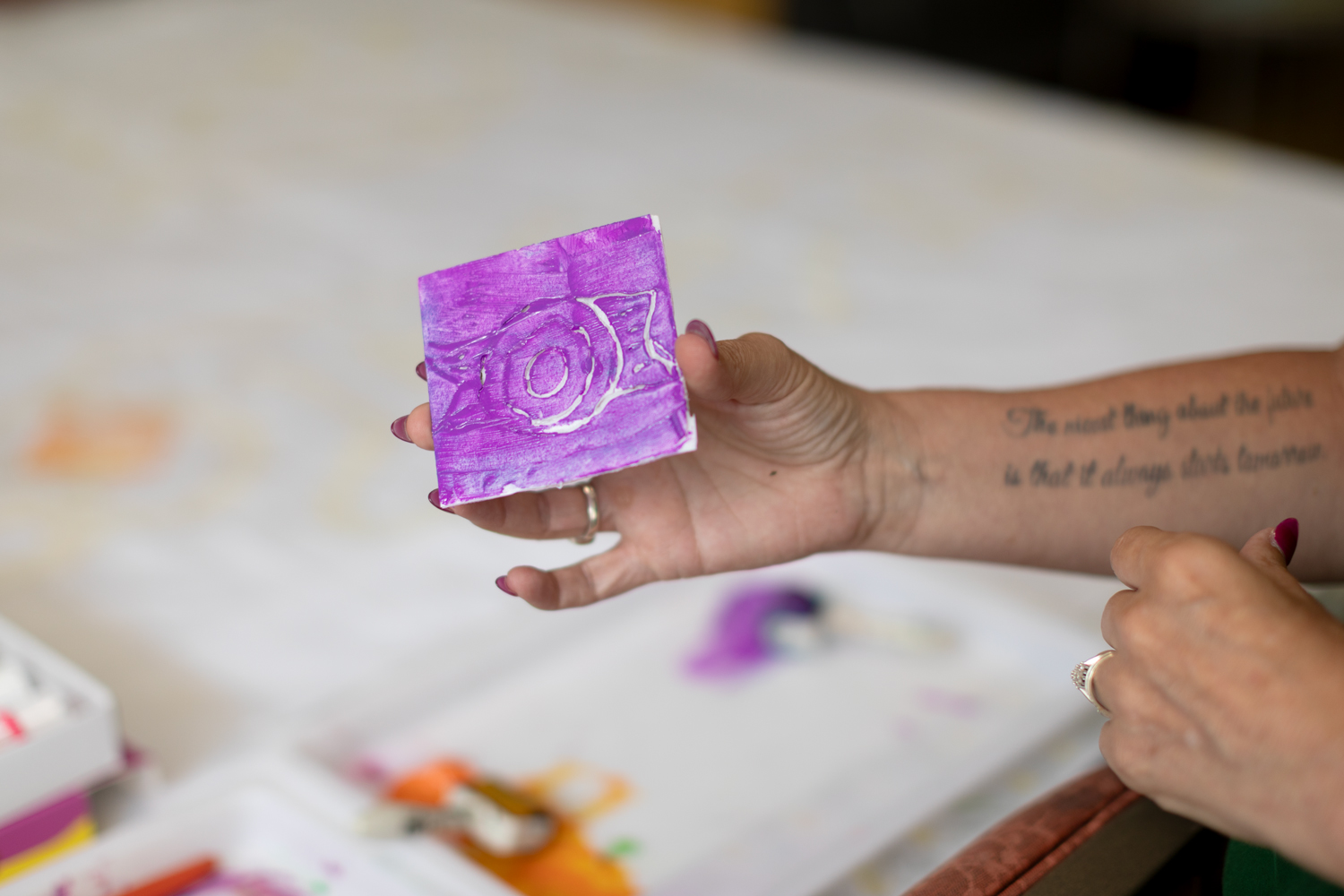
In May half term, Sweet legacies ran a family stop-motion animation workshop, themed all around sweets and chocolate!
In July, we joined the fun at Party in the Park, where our wonderful storyteller captivated audiences with the fascinating (and delicious!) history of the Aero Bubbles.
Finally we celebrated the end of our project in August at the Folk Hall. Reliving the heritage of the traditional Ceilidh in the village built by the Rowntrees.
New Earswick was founded shortly after the Rowntree’s 1901 Poverty Report into York’s slum conditions. Noting that Joseph Rowntree “[did] not want to establish communities bearing the stamp of charity but rather of rightly ordered and self-governing communities”, New Earswick was an experiment in how to create a healthy, happy and empowered society. Gulielma ‘Gulie’ Harlock was appointed oversight of the village. As well as managing tenancy applications and collecting rents each Monday, she was known to take “a quick, birdlike look around” to check that everything was being kept up to scratch (JRF 4/1/9/20/3).
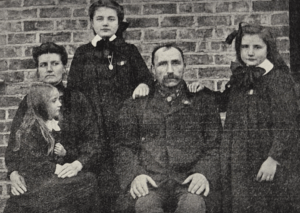
The village developed a special sense of community spirit. After the outbreak of the First World War, the village became host to Belgian refugees – one family are in picture above (published in the Cocoa Workers Magazine, December 1914). What sort of refuge did they find? One report on village life in 1915 tells of the “old lamplighter” on his daily rounds, “the kindly understanding mid-wife”, the post office lady “going from door to door selling warm teacakes”, “‘COMING HOME’ parties for returned Service men” fighting the Great War on the continent, and the doctor who “never sent a bill to a patient if he thought they could not afford to pay” (JRF 4/1/9/20/3).
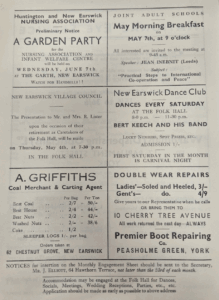
New Earswick was still thriving as the next World War began to loom. Monthly village council sheets advertised a selection of church services, the “New Earswick Dramatic and Opera Society”, the “New Earswick Horticultural Society” and the “New Earswick Dance Club” which ran “every Saturday”. Hosted by “BERT KEECHAND AND HIS BAND”, the “first Saturday in the month [was] Carnival night” (JRF/4/1/9/19/1). The picture below gives you an example from the month of August in 1939. The community would continue to keep up this lively scene well after the war – even playing host to Pink Floyd in 1967.
By 1977, New Earswick was labelled as “a remarkable social success” that had “fully realized” “the vision of the founder” (JRF/4/2/19/20/2).
Today, New Earswick is home to almost 3000 people and the Joseph Rowntree Housing Association manage much of the property. Over 120 years on, York’s communities face ever-greater challenges in the face of housing and cost of living crises. What might we learn from the past and take forward into the future?
With thanks to the Borthwick Institute of Archives, University of York, for guidance and kind access to cited archival material. All images were taken from originals held by the Borthwick and are included by their permission.